
 Renewable Energy
 Power
Power Industrial
 Electrical
 Water & Wastewater
 Transportation
 Fabrication
 Dams
Dams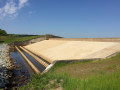 Diascund Dam Rehabilitation
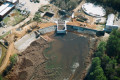 Glenville Lake Dam Rehabilitation
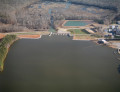 Lake Townsend Dam
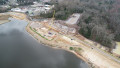 Langley Pond Dam Rehabilitation
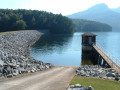 Table Rock Dam and Intake Structure
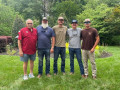 Four Generations Strong: The Wilson Family Legacy at Crowder
 New Flyover Clears Path for Safer Landfill Access
 Crowder CEO Lynn Hansen Speaks at AGC Press Conference in Charlotte
 Crowder Wins 2026 CAGC Community Impact Award
 Crowder Wins 2024 Construction Excellence Award






Atlantic Treatment Plant (ATP) Reliability and Odor Control Improvements (ROCI) | Construction Manager At-Risk (CMAR)
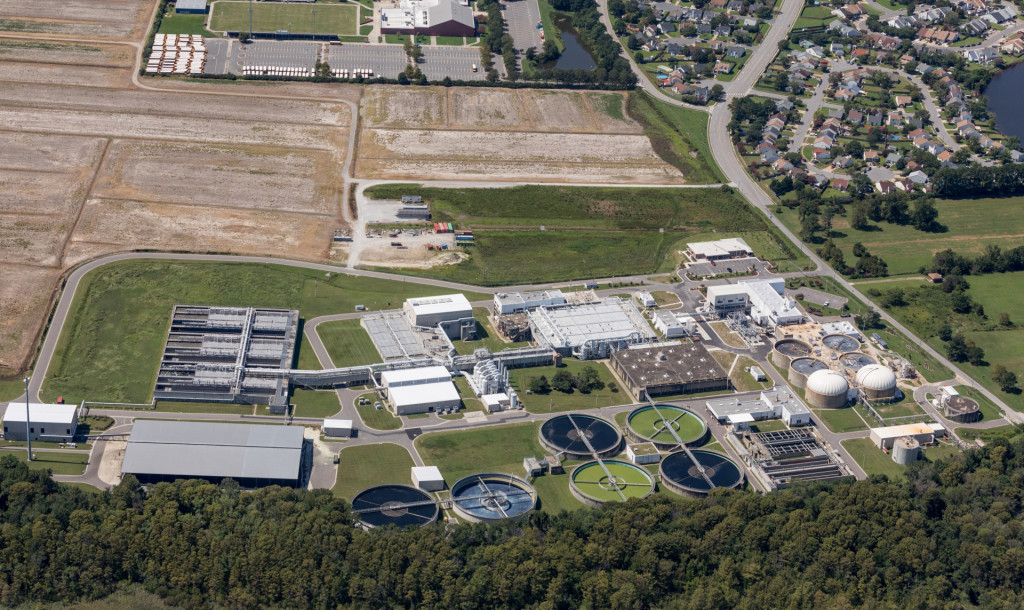
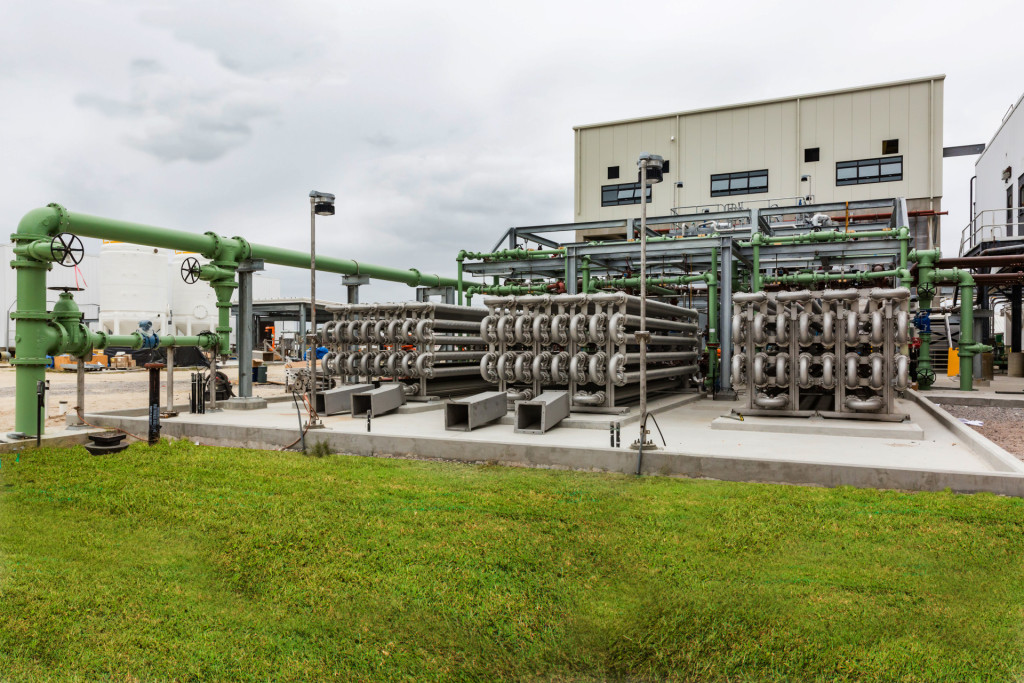
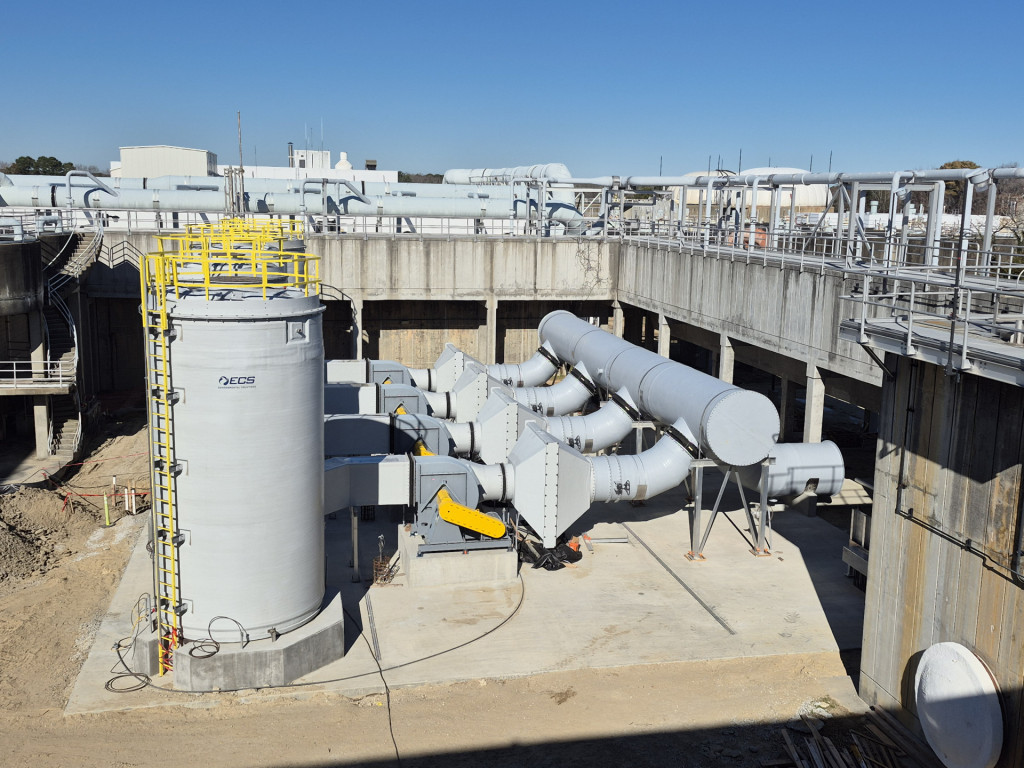
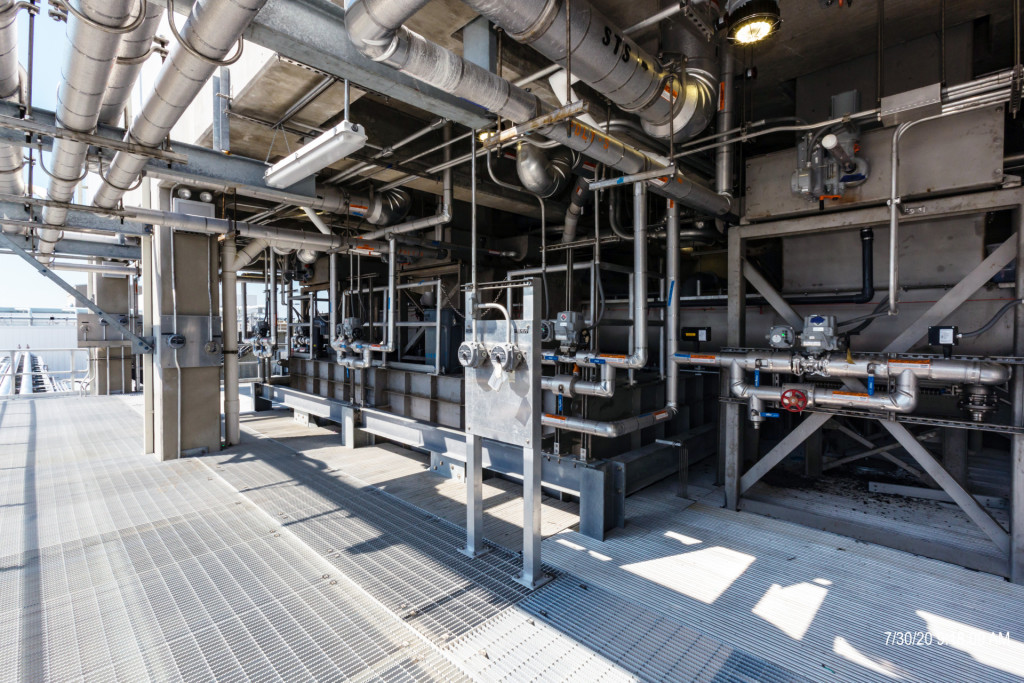
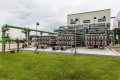
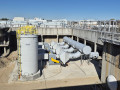
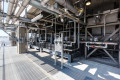
The ROCI Program at the Atlantic Treatment Plant (ATP) is a collection of four capital improvement projects aimed at addressing solids processing constrictions and sources of odor affecting the surrounding community.
Regarding solids processing constrictions, the current treatment process is constrained by having only a single process train. Also, there is limited storage of liquid solids when that process train needs to be taken out of service. Improvements such as solids conveyance upgrades, an additional solids storage hopper, redundant pumping systems, an additional Cambi THP processing train, gravity thickeners, a thickened solids pump station, and numerous electrical upgrades are being provided to create more reliability.
Regarding off-site odors, ATP currently collects and treats odorous air in four odor control facilities, identified as Odor Control Stations A through D. Since 2021, odor complaints from the surrounding neighborhoods have increased significantly. As a result, this program has identified deficiencies and already begun several recommended improvements to the existing odor control facilities. Additionally, a entirely new Odor Control Station E (OCS E) is being constructed to take on the treatment of some of the existing Odor Control Stations and support the new processes being added as part of the ROCI program.
This program illustrates HRSD’s dedication to growing trust, quality, and dependability with the surrounding community and its internal plant staff and management.
To best support the roll-out and execution of this program, HRSD has elected to use the Construction Manager At-Risk (CMAR) delivery method with Crowder Construction Company as the CMAR. HRSD and the CMAR team are supported by Black & Veatch as the Designer (Engineer of Record). HDR Engineering is a subconsultant to Black & Veatch to design the pre-dewatering polymer improvements.


